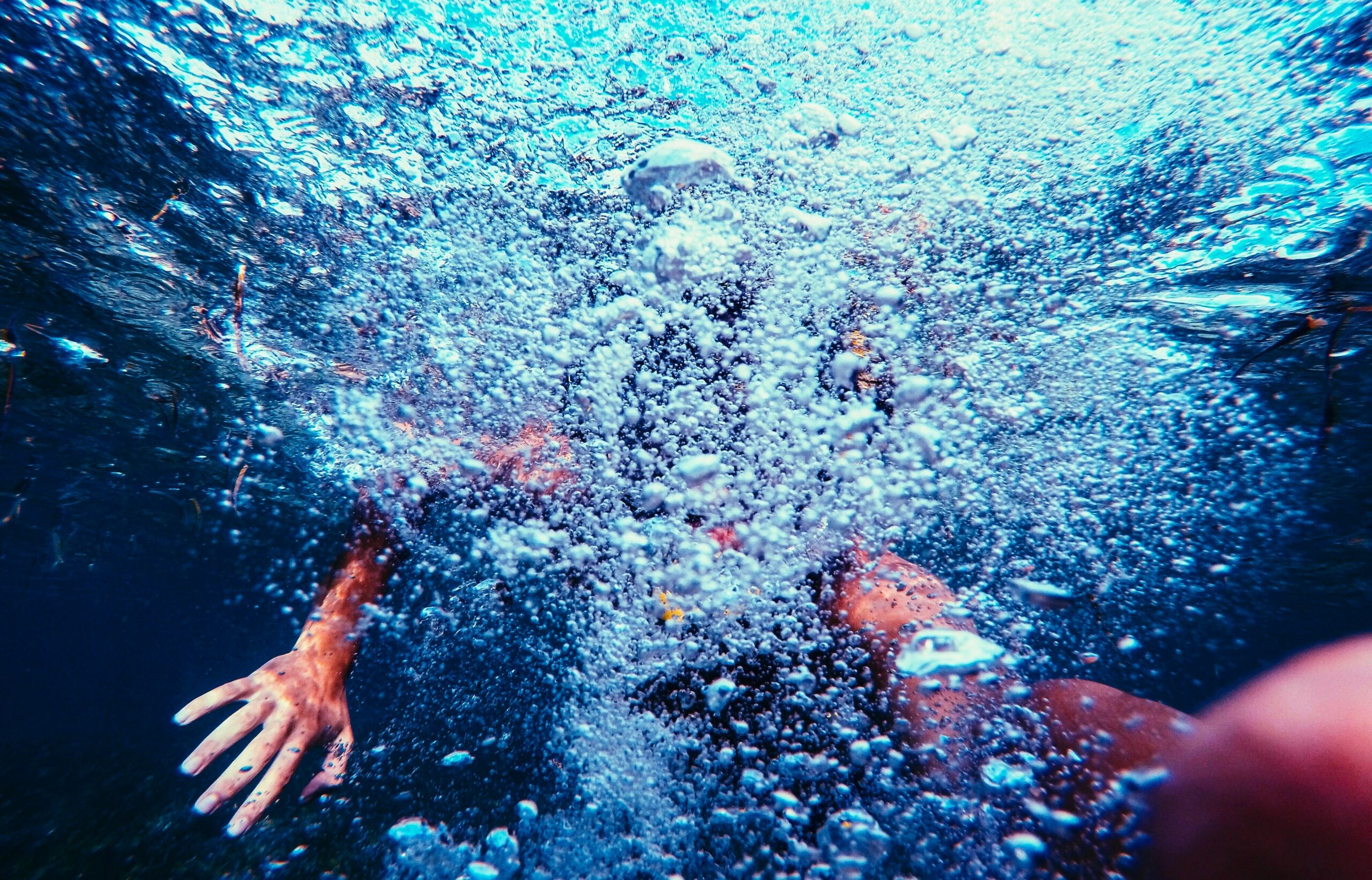

Hands thawed enough so I can type again!
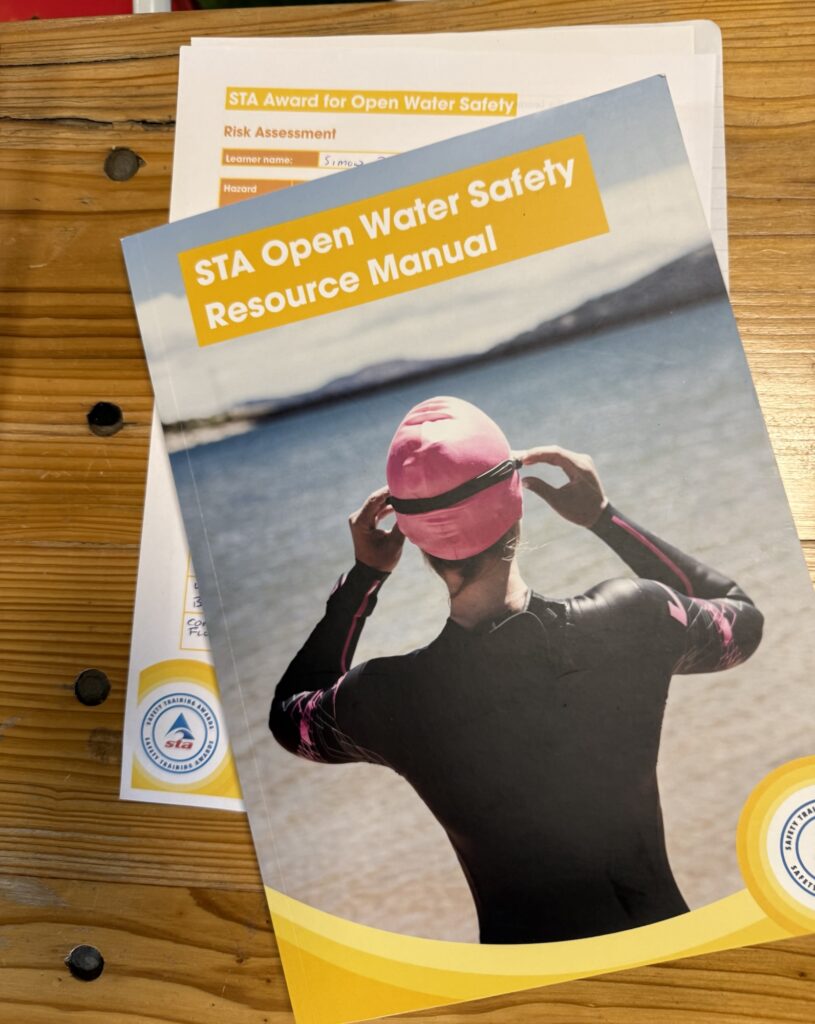
Last weekend was spent back on the STA (Swim Teachers Association) Open Water Safety & Rescue course to renew my certification. I first did it two years ago, and it has to be renewed every two years so here I was again… classroom, cold lake, cold feet, cold hands and questioning my life choices!
The course is delivered by Leon Fryer of SwimYourSwim, who I volunteer with, which is a nice perk for me and ensure volunteers are well trained for those situations when the skills learned are really needed. If you’ve ever been on one of his training course, you’ll know he’s absolutely committed to getting the safety message across.
The course was a mix of tutor‑led teaching, group discussions, and practical scenarios, all in a way that really makes you think and take the knowledge onboard. The two days were full of laughs, which is exactly what you want when you’re about to be thrown into rescue scenarios in water that could be described as invigorating (and by that I mean bloody freezing!!!)
Day One — Risk Assessments & Cold Water Reality
We started with the classroom side: different open water environments, what can go wrong, and how to spot the risks before they become problems. It’s surprising how much you remember once someone starts talking through it… and how much you realise you’ve forgotten when the questions start.
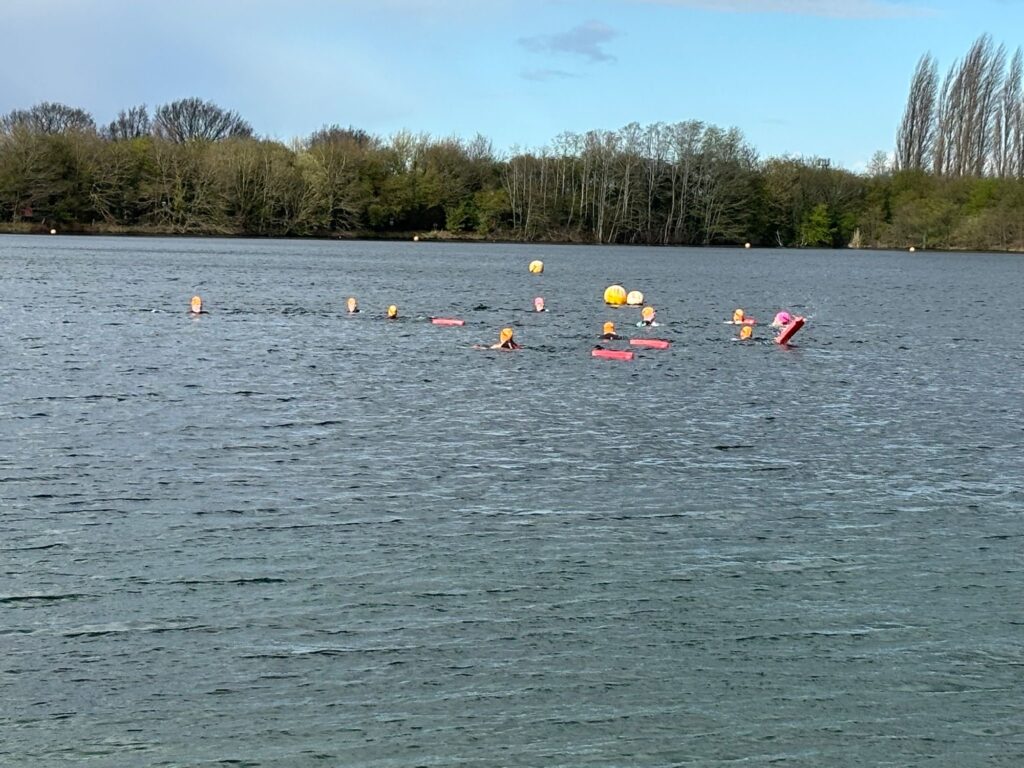
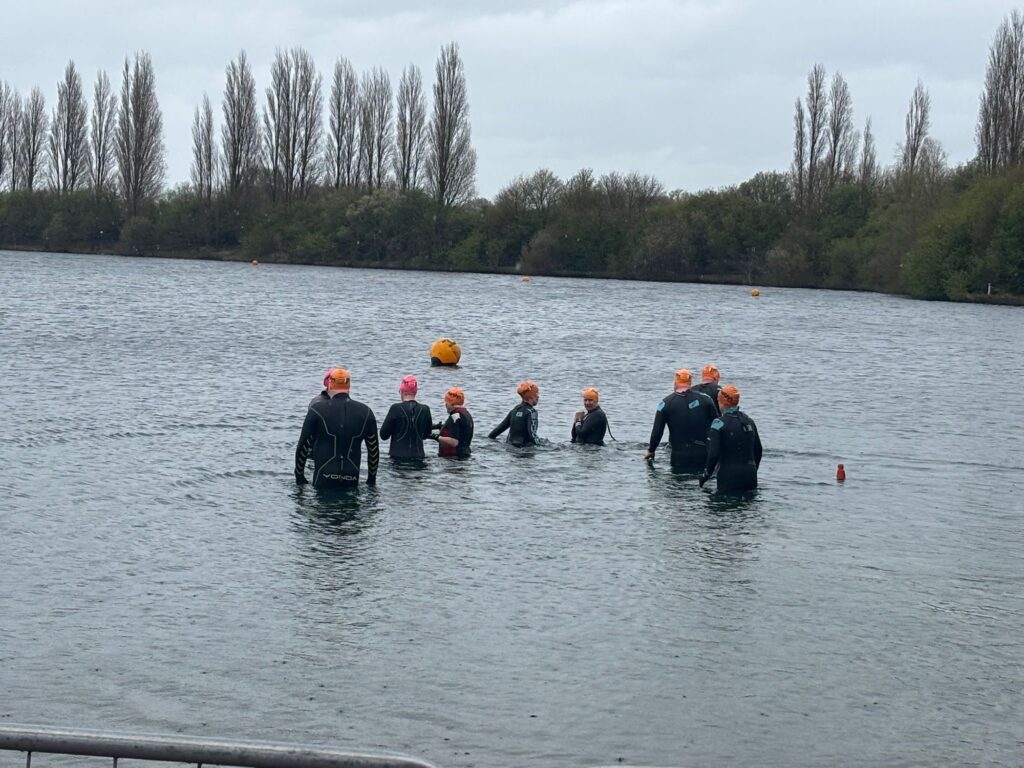
Then it was time for the lake – Water temperature: 8.3 degrees
It may have been at this point I began crying…or maybe it was just the water splashing in my eye…yeah..let’s go with that!
We worked through rescue drills ranging from, swimmers in distress and recovering them to shore, and then more challenging one: an unconscious casualty floating face‑down. Turning someone over, securing a torpedo, and towing them back while treading water with cold hands is… let’s say “character building”. You can’t only rescue people during the warmer water season, which is why practice in cold water is essential.
Day Two — First Aid, Scenarios & More Lake Time
Day two was back in the classroom to revisit first aid. Bandages, CPR on adult / junior / baby manikins, AED practice, and a cheerful simulation involving two delegates being hit by a motorboat propeller (serious leg injuries and an amputation). Who needs coffee when you have a bit of morning gore to wake you up.
I also ended up strapped to a spinal board so everyone could practice securing the straps. Very glamorous and half expected them to leave me strapped up.
Then it was back to the lake for more rescue scenarios and with the water feeling even colder we all uttered a few more choice words.
We practised rolling a submerged swimmer with a suspected spinal injury which is not easy when you’re treading water and your fingers have stopped cooperating.
After that it was time to work as a team to recover an unconscious swimmer, keep them afloat with torpedoes, sliding the spinal board underneath and securing them, and get them back to shore. Certainly didn’t envy Jane acting as the casualty and just having to lay in the cold water while we all fumbled our way through the practice. On the plus side though she survived so good to know we learned the skills needed.
The final scenario was a line‑search for a submerged casualty, sweeping the water together and trying not to stub a toe or trip over anything we couldn’t see.
All of these practical sessions were assessed, so there was a bit of pressure to get things right, but it was a good kind of pressure.
Once we’d all dried off and got a warm drink down, it was time for the test paper sat in exam conditions. I’m pleased to say I scored 100% and certification renewed for another two years.
It was a full‑on couple of days, but genuinely worthwhile and definitely the right call to revisit everything properly, especially when you’re involved in open water sessions and want to make sure you’re know what you’re doing if anything does go sideways.
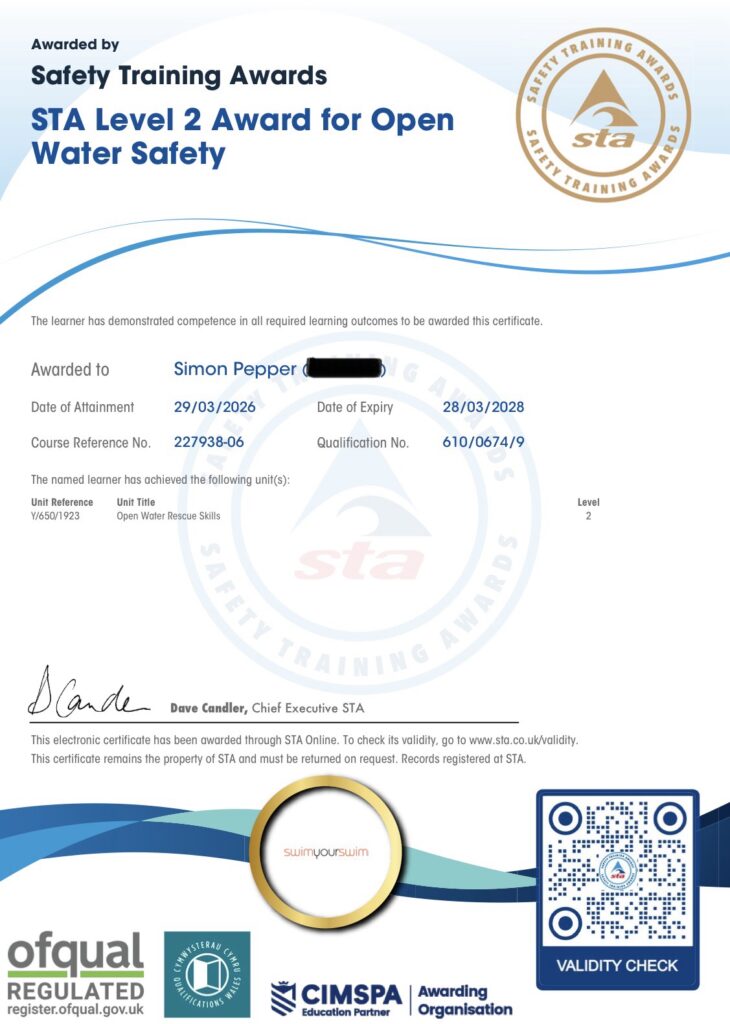
Cold water, good people, lots of learning, and a reminder that open water safety is a skill you never really stop improving.