
Swimming Equipment basics
A simple guide to the gear that actually helps when you’re starting out.
The basics, without the jargon!
Starting swimming as an adult can feel a bit intimidating — not just because of getting in the water, but because of all the kit you’re told you “need.” The truth is, just a few simple pieces of equipment can make a big difference to your comfort and help you build skills in the pool. This guide keeps things clear and beginner‑friendly, showing you what’s genuinely useful, what’s optional, and what will make your swims feel easier and more enjoyable.
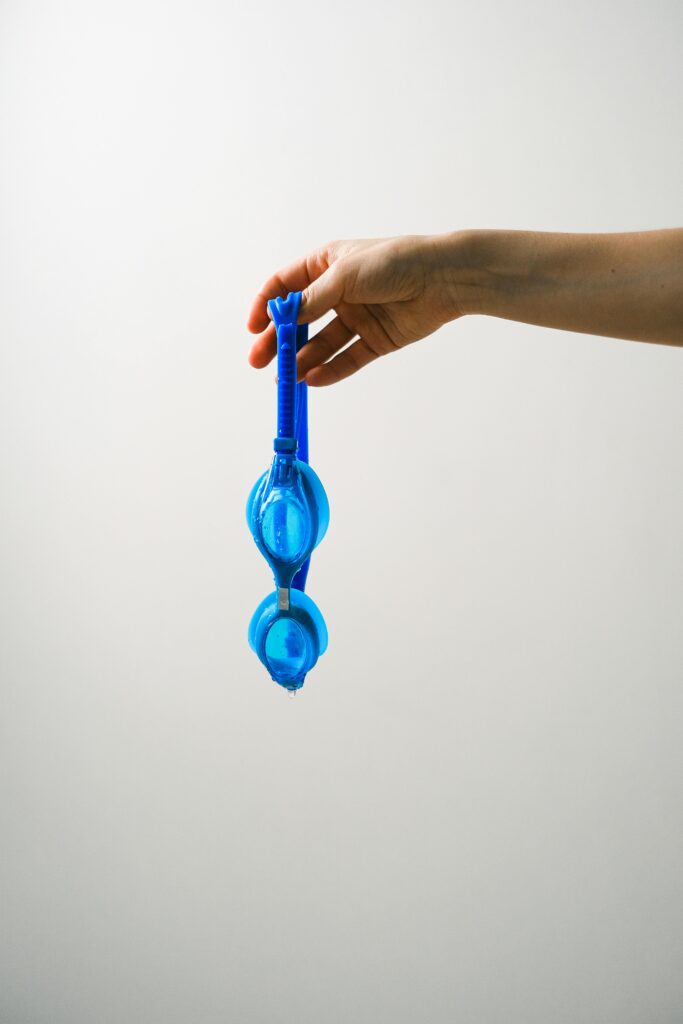
Goggles
Goggles are the single most important piece of kit for new swimmers. When your eyes feel comfortable and you can see clearly, everything else becomes just that little bit easier. Helping you to feel more relaxed and comfortable, your body position feels more natural, breathing becomes more controlled and ultimately your overall confidence in the water increases.
How to choose the right pair
Fit is everything. Press the goggles gently onto your eyes without using the strap. If they stay in place for a second or two with light suction, they’re a good fit for your face shape.
Avoid tight straps. Beginners often overtighten goggles, which causes discomfort and leaks. The strap should sit comfortably around the head — snug, not stretched.
Try different shapes. Some goggles are rounder, some more oval, some low‑profile. If one style leaks, try another shape rather than tightening the strap.
Lens options
Clear lenses for indoor pools
Light tints for bright or sunny pools
Mirrored lenses for glare (not essential for beginners)
Anti‑fog tips
Rinse goggles in the pool before swimming and
avoid rubbing the inside of the lenses. After the swim let them air‑dry naturally.
Swim Cap
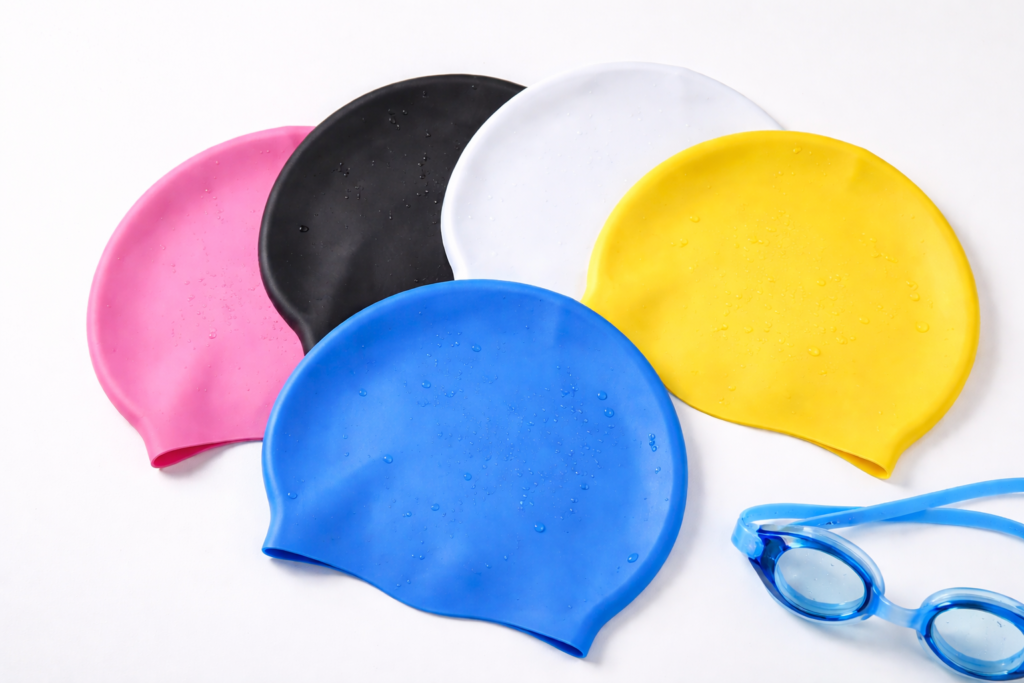
A swim cap isn’t just for fast swimmers — it’s a simple piece of kit that helps beginners feel more organised and comfortable.
Why it helps
Keeps hair out of your face
Helps you feel “ready” and focused
Reduces drag and makes swimming feel smoother
Keeps your head warmer in cooler pools
Makes you more visible in busy lanes
Choosing a cap
Silicone caps are soft, durable, and easier to put on
Latex caps are thinner and cheaper, but can tear more easily
Nose Clip & Ear Plugs
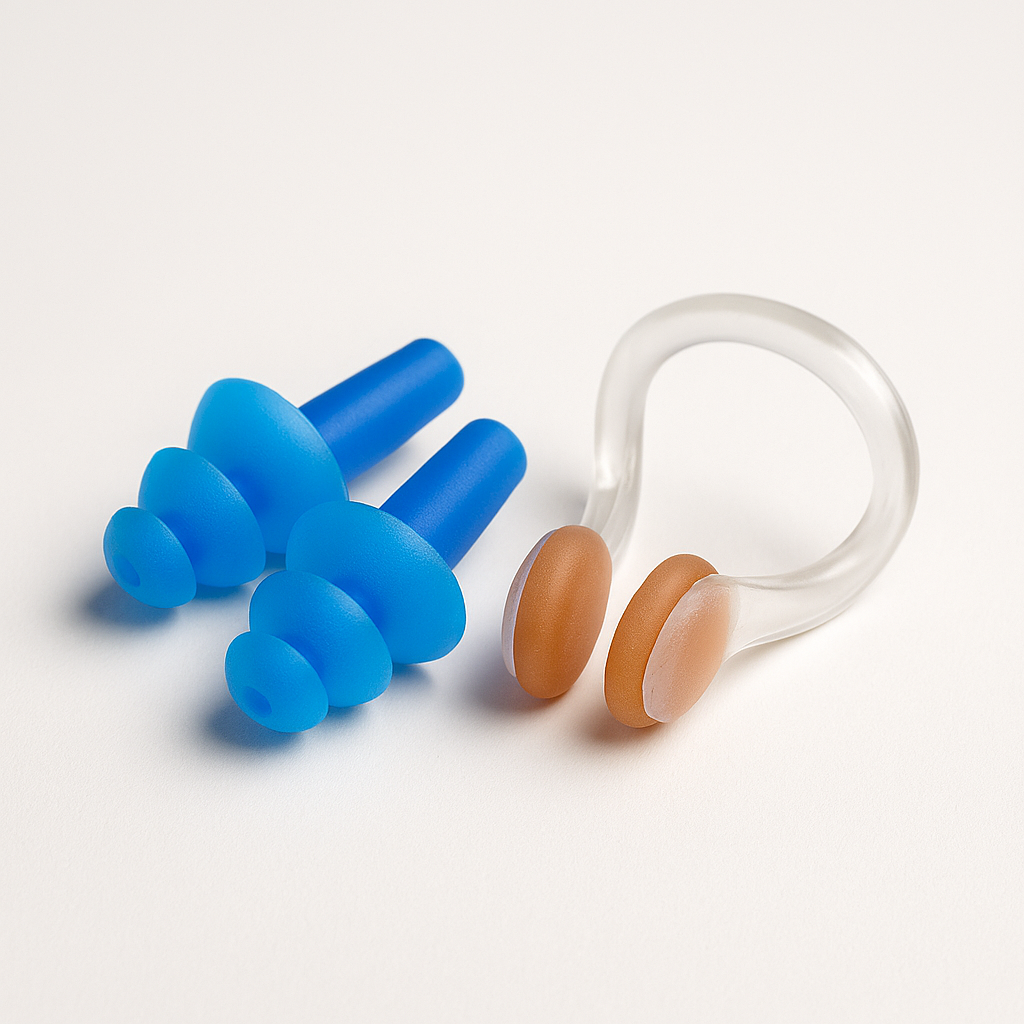
These small pieces of kit can make a huge difference if you’re nervous about water going up your nose or into your ears. Anything that makes you feel more comfortable and relaxed in the water will increase your confidence and make swimming all the more enjoyable.
Ear Plugs
These are soft silicone plugs that mould to your ear shape and keep water out. Useful help prevent ear infections and that feeling of water being stuck deep in your ear.
How to use them
Press gently into the outer ear (not deep inside)
Ensure they form a seal without discomfort
Nose Clip
A nose clip gently closes your nostrils and stops water entering during breathing or drills. Helps reduce the “water up the nose” sensation.
How to test the fit
It should feel snug but not painful
Shake your head gently — it shouldn’t fall off
Try a few breaths through your mouth to check comfort
Kickboard
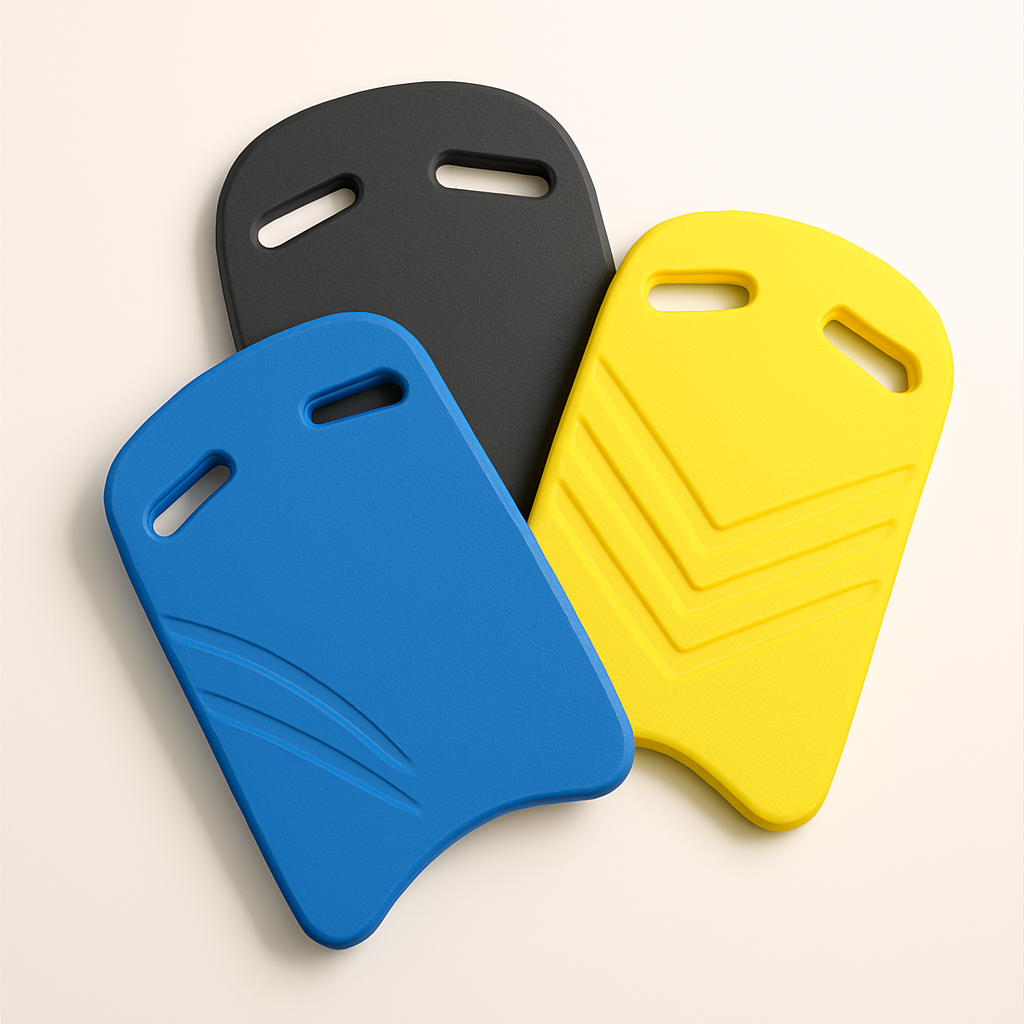
A kickboard is one of the most supportive tools for swimmers. Whether you’re new to swimming or an experienced swimmer, they give you something solid to hold onto so you can focus on kicking and breathing.
How does a kickboard help?
Holding a kickboard isolates your legs, allowing you to focus on kicking technique. This builds strength and stamina without needing to coordinate arms and breathing at the same time.
With your arms supported, you can focus on breathing rhythm — whether that’s exhaling underwater or practising side breathing for front crawl.
Even basic drills like flutter kick or breastroke kick become easier to learn when you’re supported by a kickboard. It’s a tool that grows with you.
Tips for use
Hold the board lightly at the top corners, with your arms relaxed rather than locked straight.
Kick from the hips, not the knees and keep your head in a neutral position (not lifted too high).
Kickboards are used by swimmers of all levels and are fantastic to help develop skills and build endurance.
Pull buoy
A pull buoy is a lightweight foam float that you hold between your thighs or knees. It lifts your legs for you, which means you don’t need to kick.
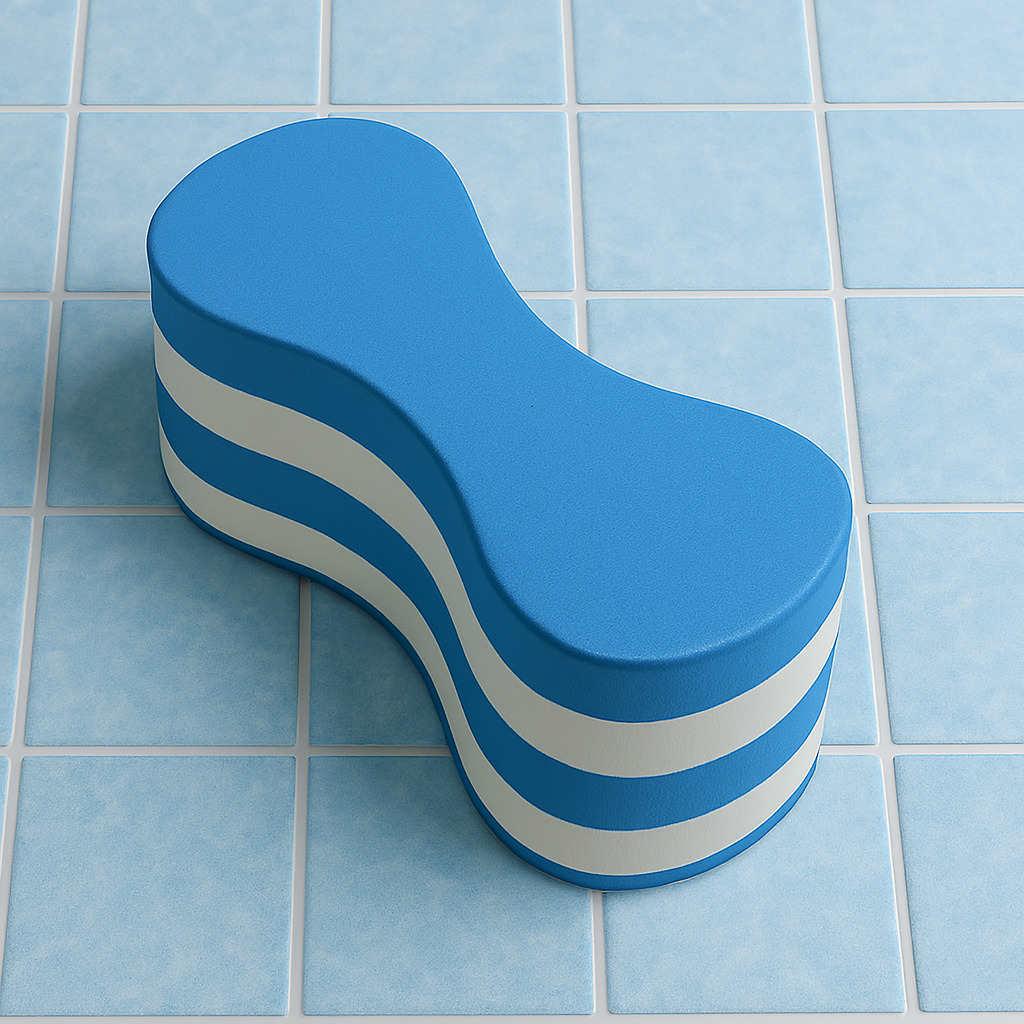
Why is it good not to kick?
Swimming can feel like juggling: arms, legs, breathing, timing. A pull buoy lets you switch off your legs so you can focus on just one thing — usually your arm pull or your breathing.
Because your legs are supported, your arms do more of the work. This helps build strength and endurance in your shoulders, back, and arms without overwhelming you.
With your legs still, you can pay attention to how your hands catch and pull the water. This is one of the most important skills in swimming, and a pull buoy gives you the space to learn it.
How to use a pull buoy
Place it between your thighs or just above your knees and let it float you.
Focus on long smooth arm strokes, paying attention to how each part of the movement feels.
What else is there?
This page is just a starting point, a simple overview of some of the equipment that helps beginners and more experienced swimmers develop their skills in the water. Goggles, caps, ear plugs, nose clips, kickboards, and pull buoys are the essentials that make swimming more comfortable, more enjoyable, and easier to learn.
But there’s more to explore and we’ll look at other kit like fins, hand paddles, tow floats and chutes (one of my favourite bits of kit) in future pages.